Sri Lanka’s Spice History
Discover the ancient heritage and global journey of Sri Lankan spices.
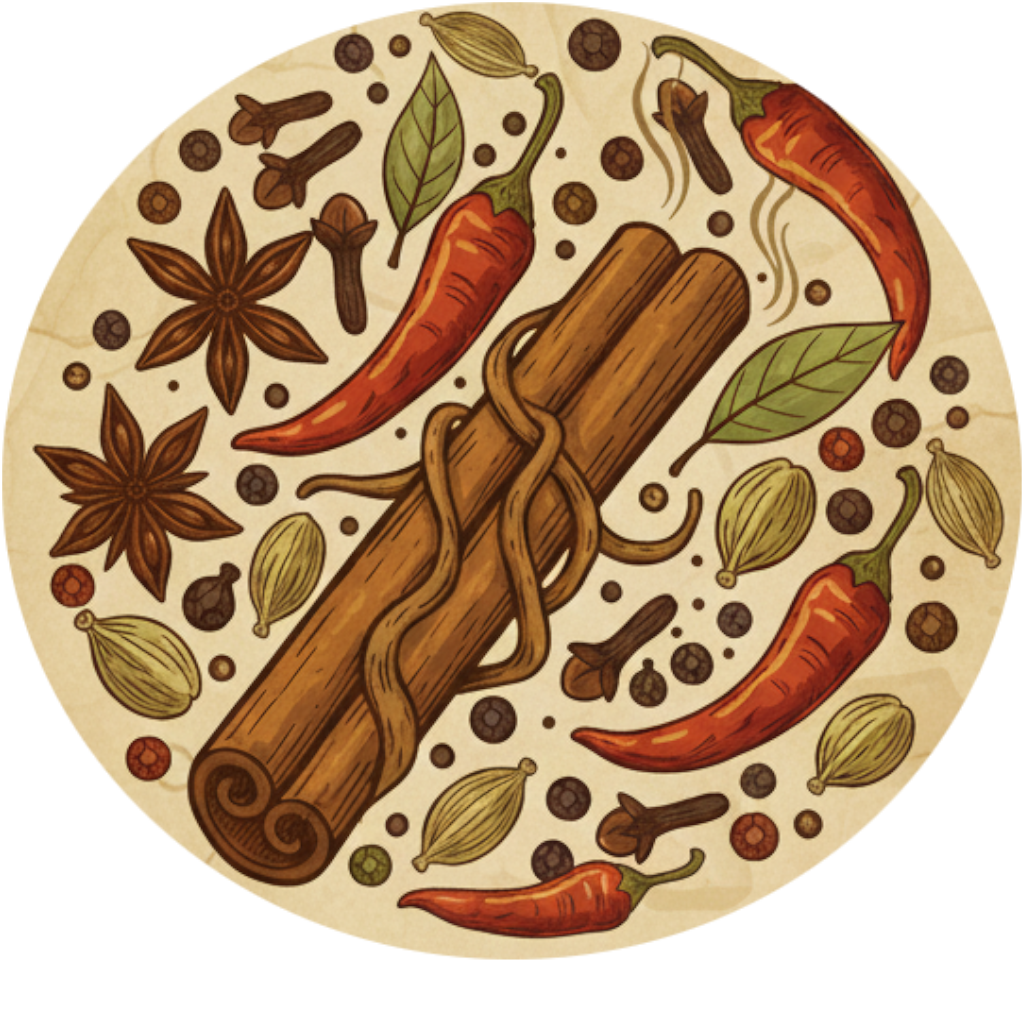
Sri Lanka, often called the Spice Island, has been renowned for its rich and diverse spices for more than 2,500 years. Ancient traders from Arabia, Persia, China, and India visited the island seeking treasures like Ceylon cinnamon, cloves, and pepper. Cinnamon, in particular, was once valued more highly than gold due to its medicinal and ceremonial uses.
Influence of Colonial Powers
The Portuguese, Dutch, and British each fought for control of Sri Lanka’s spice trade. The Portuguese monopolized cinnamon, the Dutch refined large-scale production and trade, and the British expanded plantations for pepper, cloves, nutmeg, and cardamom. These eras helped establish Sri Lanka as a global spice hub.
Modern Spice Export Industry
After independence in 1948, Sri Lanka built a strong export economy centered on spices. Today, the country exports Ceylon cinnamon, pepper, cloves, nutmeg, cardamom, turmeric, vanilla, and more to markets across Europe, North America, the Middle East, and Asia. Sri Lanka’s spices are valued for their purity, aroma, and traditional cultivation methods.
Why Sri Lankan Spices Stand Out
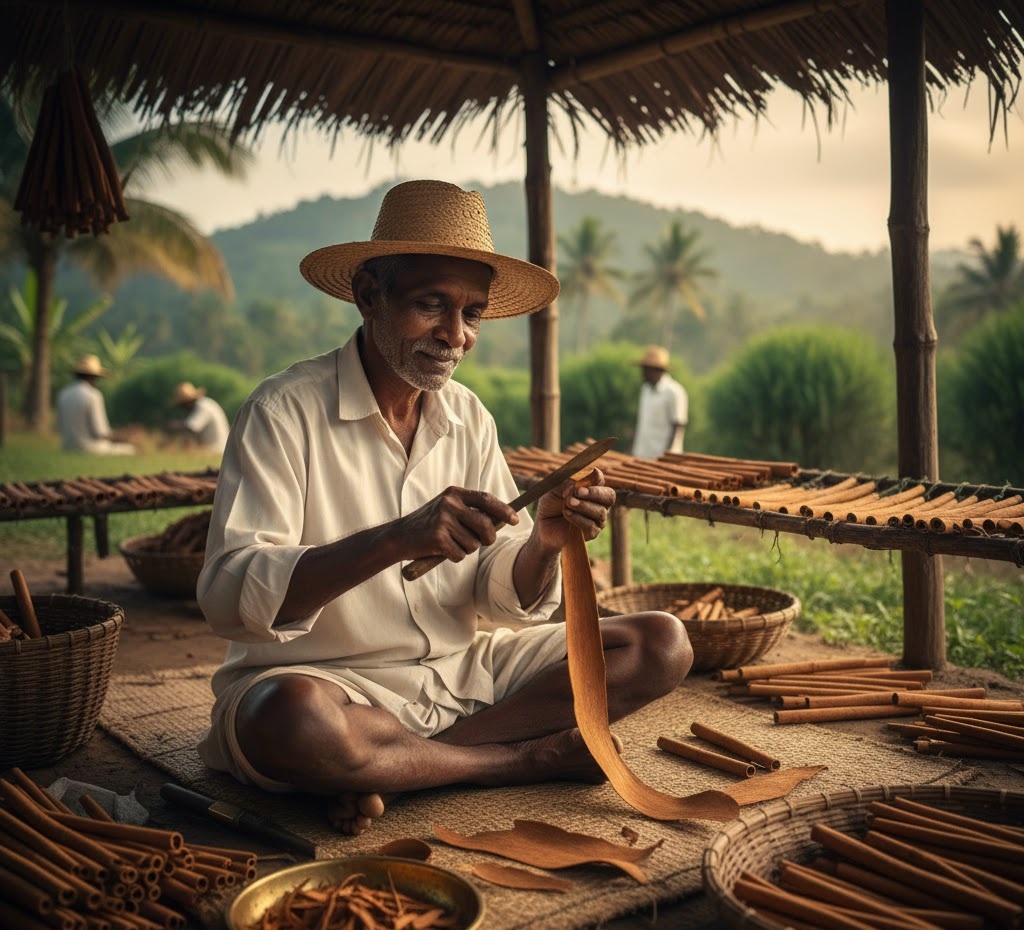
- Unique climate and fertile highland soils
- Traditional and sustainable farming methods
- Globally recognized “Pure Ceylon” identity
- Strict quality grading and hygienic packaging
The Future of Sri Lanka’s Spice Industry
With rising global demand for natural and organic products, Sri Lanka continues to modernize its spice sector through sustainable farming, value-added spice products, and strong international branding. The island’s long-standing heritage ensures its reputation as a top producer of premium spices.
FoodCeylon — Celebrating the heritage of Sri Lankan spices and sharing their pure flavor with the world.